Navigating the digital landscape for gamers often involves a delicate balance between security and seamless performance. This guide delves into the common question does opendns prevent gaming by exploring OpenDNS capabilities and its direct impact on your favorite titles. OpenDNS is widely recognized for its robust content filtering and phishing protection features, which are invaluable for securing your home network. However, for a community where an average US gamer logs over 10 hours weekly and 87% game regularly, understanding how these protective measures interact with game servers, updates, and overall connectivity is crucial. We will break down how OpenDNS settings can inadvertently block game access, affect latency, or prevent crucial game updates. Learn how to identify if OpenDNS is interfering with your gameplay and, more importantly, how to configure it to ensure your gaming sessions remain uninterrupted while still benefiting from enhanced security. Whether you are a casual player or a pro gamer striving for peak performance and social play, this resource offers actionable insights to optimize your network for an unhindered gaming experience.
1. Can OpenDNS block my favorite games? 2. Will OpenDNS slow down my online gaming? 3. How do I know if OpenDNS is installed on my network? 4. Is OpenDNS good for competitive gaming? 5. What are the best OpenDNS settings for gamers? * Q: How does OpenDNS content filtering affect game patches?A: OpenDNS content filtering can significantly impact game patches if it blocks content delivery networks (CDNs) or peer-to-peer protocols often used for updates. If categories like 'P2P/File Sharing' are enabled, your games might fail to download crucial updates, leaving you unable to access current game versions or new content.
* Q: Can I use OpenDNS on specific devices only?
A: Yes, you can configure OpenDNS on specific devices by manually changing the DNS settings on that particular computer, console, or mobile device. This overrides any router-level DNS settings, allowing you to tailor internet access for individual gaming rigs without affecting the entire home network.
* Q: Does OpenDNS block voice chat in games?
A: OpenDNS can block in-game voice chat if its content filters categorize the communication protocols or servers used by the game's voice chat feature as restricted. This is more likely with stricter filtering settings or if the voice chat uses less common or peer-to-peer methods.
* Q: Is OpenDNS beneficial for parents of young gamers?
A: OpenDNS is highly beneficial for parents of young gamers. Its customizable content filtering, including the 'Family Shield' option, allows parents to easily block inappropriate content categories like adult sites or even specific social media platforms, creating a safer online gaming and browsing environment for children.
* Q: What if OpenDNS blocks an important game update server?
A: If OpenDNS blocks an important game update server, your game will not patch. To fix this, access your OpenDNS dashboard, review the 'Blocked Domains' log for the game's update server domain, and add it to your 'Never Block' (whitelist) list. Clear your device's DNS cache, then retry the update.
* Q: How do I temporary disable OpenDNS for a game?
A: To temporarily disable OpenDNS for a specific game, change the DNS settings on your gaming device (PC, console) to an alternative public DNS like Google DNS (8.8.8.8, 8.8.4.4) or Cloudflare DNS (1.1.1.1, 1.0.0.1). Remember to clear your device's DNS cache afterward for the change to take effect.
* Q: Are there gaming-specific DNS alternatives to OpenDNS?
A: While not strictly 'gaming-specific,' DNS alternatives like Cloudflare (1.1.1.1) and Google DNS (8.8.8.8) are popular among gamers for their focus on speed and reliability. They generally do not include content filtering by default, offering an unrestricted path for game servers and updates.
Hey fellow gamers! Ever sat down ready to jump into your favorite online world, only to hit a brick wall of connectivity issues? Maybe your game just won't update, or you're stuck on a loading screen that never ends. For many of us, the immediate thought goes to our internet service provider or router. But what if the culprit is something a bit more subtle, like your DNS service? Specifically, a question many are asking right now is, does OpenDNS prevent gaming?
You're not alone if you've pondered this. As US gamers, we spend an average of over 10 hours a week diving into virtual adventures, with 87% of us playing regularly. We value relaxation, skill-building, and social connections through games, and any interruption can be incredibly frustrating. OpenDNS is a popular choice for network security, offering protection against phishing and malicious websites. However, its robust filtering capabilities, while beneficial, can sometimes cast a wide net that catches legitimate gaming traffic. This article is your ultimate guide to understanding how OpenDNS interacts with your gaming experience, helping you troubleshoot issues, optimize your settings, and ensure your competitive edge or relaxing session remains uninterrupted. We'll give you the insights needed to balance strong network security with seamless gameplay.
What is OpenDNS and How Does It Work?
OpenDNS is a cloud-based domain name system (DNS) service that acts as a gatekeeper for your internet requests. When you type a website address or launch a game that connects to a server, your device sends a DNS query to translate that human-readable name (like 'playstation.com') into an IP address that computers understand. Instead of using your ISP's default DNS servers, which can sometimes be slow or less secure, OpenDNS processes these requests.
What sets OpenDNS apart is its added layer of security and content filtering. Before your device connects to an IP address, OpenDNS checks it against its vast database of known malicious sites, phishing scams, and user-defined content categories. If a site or server falls into a blocked category, OpenDNS prevents your device from connecting to it, effectively protecting your network. This real-time analysis makes it a powerful tool for home security, but its broad capabilities raise valid questions for gamers.
Does OpenDNS Directly Prevent Gaming Access?
The short answer is: it can. OpenDNS itself is not designed to prevent gaming specifically, but its content filtering and security features can inadvertently block access to game servers, game launchers, or update domains. For example, if a game's server domain is mistakenly categorized as 'unwanted' or 'malware' by OpenDNS, or if you have enabled a content category like 'Gambling' or 'P2P/File Sharing' (which some game updates might use), then OpenDNS will prevent your devices from connecting.
It's not usually a blanket ban on all gaming. Instead, it's a consequence of its security protocols and user-defined rules. Think of it like a very diligent bouncer at a club: sometimes, they might accidentally turn away a VIP if they don't recognize their name on the list. For pro gamers who rely on consistent, unimpeded access to game servers for training and tournaments, understanding and managing these potential blocks is critical.
How Can OpenDNS Impact My Gaming Experience?
OpenDNS can affect your gaming experience in several ways, beyond just outright blocking access:
- Connection Issues: The most direct impact is preventing your game or launcher from connecting to its servers. This can manifest as endless loading screens, error messages like 'unable to connect,' or games failing to update.
- Latency (Ping): While OpenDNS primarily handles the initial DNS lookup, its efficiency can subtly influence perceived latency. If OpenDNS servers are geographically distant or experiencing heavy load, the time it takes to resolve a domain can add milliseconds to your connection setup. For competitive players, where every millisecond counts, this can be a concern.
- Voice Chat Problems: Many games use specific protocols for in-game voice chat. If OpenDNS filters block these protocols or the servers they rely on, you might find yourself unable to communicate with your teammates, a major issue for social and competitive play.
- Game Update Failures: Game updates often download from various content delivery networks (CDNs). If OpenDNS blocks any of these domains due to categorization, your game won't update, leaving you unable to play current versions or access new content, which is a major pain point for keeping up with trending titles.
- Matchmaking Delays: In some cases, if OpenDNS interferes with the game's ability to communicate with matchmaking servers, you might experience longer queue times or difficulty finding matches.
Can OpenDNS Block Specific Game Servers or Platforms?
Yes, absolutely. OpenDNS operates by filtering domain names. If the domain name used by a specific game server, a game platform (like Steam, Epic Games, Xbox Live), or even a third-party service that a game relies on (like anti-cheat software updates or community features) falls into a blocked category on your OpenDNS settings, it will be inaccessible.
For instance, if your OpenDNS account has 'P2P/File Sharing' filtered, games that use torrent-like protocols for updates (which some do) could be affected. Similarly, if a gaming-related site or server is mistakenly flagged as 'Malware' or 'Phishing' by OpenDNS's automated systems, access will be denied until it's whitelisted. This is a common issue pro gamers face when trying to access beta servers or new regional game instances that might not yet be widely recognized or categorized correctly by global DNS providers.
How Do I Check if OpenDNS is Causing My Gaming Issues?
Troubleshooting can save you hours of frustration. Here’s a step-by-step guide to determine if OpenDNS is the culprit:
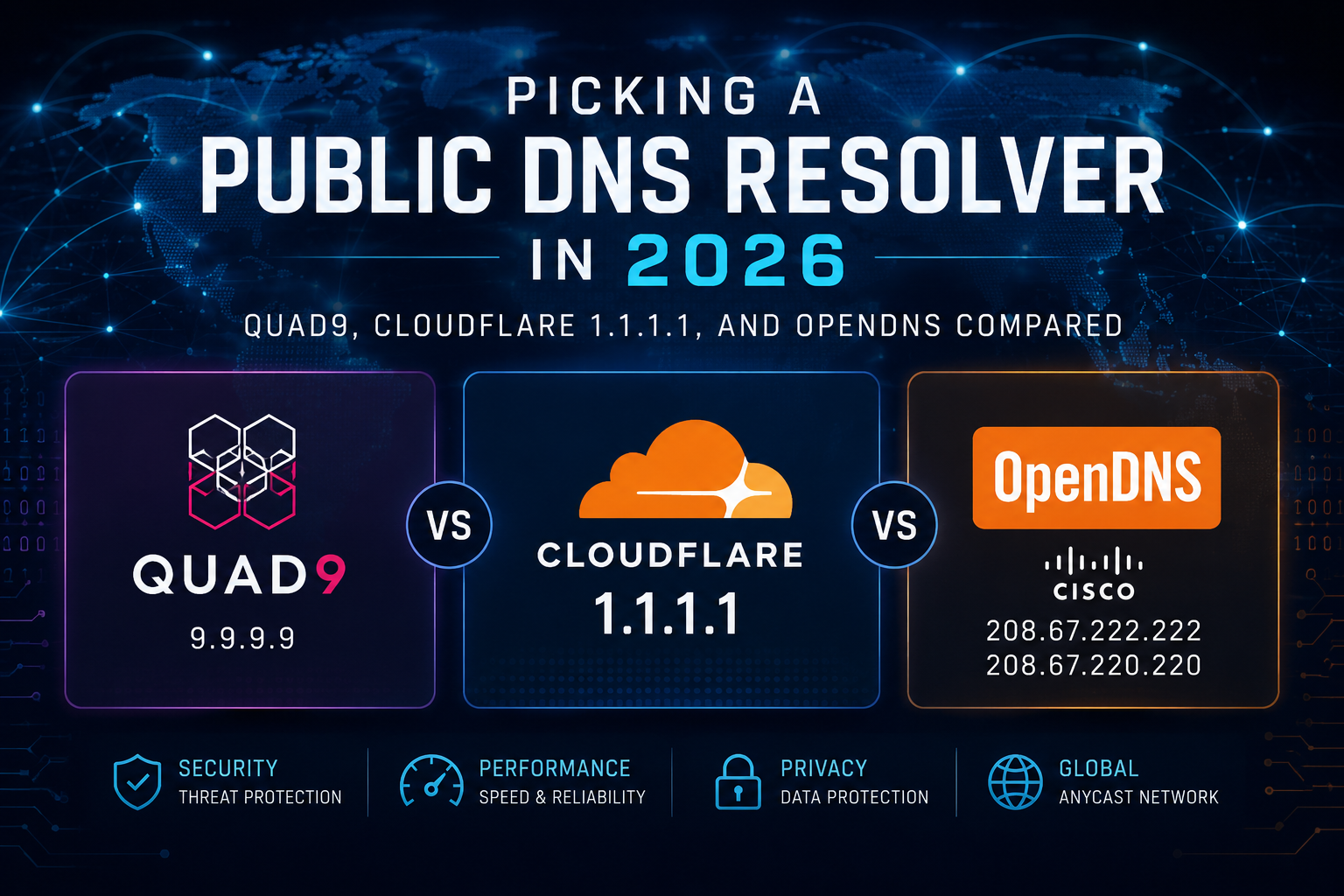
- Verify OpenDNS is Active: Check your router’s DNS settings or your computer’s network adapter settings. Look for DNS server addresses 208.67.222.222 and 208.67.220.220. If these are present, you're using OpenDNS.
- Log into Your OpenDNS Dashboard: Go to the OpenDNS website and log into your account. Navigate to your network settings.
- Review Your Content Filtering Settings: Check which categories are currently blocked. Look for categories that might inadvertently include gaming sites, such as 'Games,' 'P2P/File Sharing,' 'Gambling' (some in-game casinos trigger this), or 'Adult Content' (if a game has mature themes).
- Check Your Blocked Domains Log: OpenDNS provides logs of what it has blocked. Look for any entries related to your game’s name, publisher, or platform (e.g., 'steamcommunity.com', 'fortnite.com', 'blizzard.com'). This is often the quickest way to pinpoint a specific blockage.
- Temporarily Adjust Settings: For diagnostic purposes, try temporarily lowering your content filtering level to 'None' or 'Minimal' and then re-test your game. If the game suddenly works, you've found your answer. Remember to re-enable your desired security settings afterward.
- Bypass OpenDNS Temporarily: You can temporarily change your computer's DNS settings to a public alternative like Google DNS (8.8.8.8 and 8.8.4.4) or Cloudflare DNS (1.1.1.1 and 1.0.0.1). If your game works perfectly after this, OpenDNS is definitely the cause.
What are the Benefits of Using OpenDNS for Gamers?
Despite the potential for blocking, OpenDNS still offers valuable benefits for gamers, particularly those who prioritize security and a safe online environment:
- Phishing and Malware Protection: OpenDNS blocks access to known phishing sites and malicious domains at the DNS level. This means fewer chances of accidentally clicking a bad link and compromising your gaming accounts or personal data.
- Family Shield: For gamers with younger family members, OpenDNS’s Family Shield offers an easy way to block adult content, ensuring a safer browsing and gaming experience for kids. This is especially relevant given the rise of social gaming trends across all age groups.
- Botnet Protection: It can prevent your devices from communicating with botnet command and control servers, adding a layer of defense against sophisticated cyber threats.
- Customizable Content Filtering: You have granular control over what content is allowed or blocked. This allows you to tailor your network's internet access to your specific needs, balancing security with accessibility.
- Speed and Reliability: In some cases, OpenDNS's globally distributed servers can offer faster and more reliable DNS lookups than your ISP's default servers, potentially leading to quicker initial connections to game servers. However, this varies by location and ISP.
How Can Pro Gamers Optimize OpenDNS for Performance?
Pro gamers, who depend on every edge for performance optimization, need a precise approach to OpenDNS. The goal is to maximize security benefits without any performance hit or access blocks. Here’s how:
- Custom Whitelisting: This is your most powerful tool. Identify every domain your favorite games, launchers, voice chat services, and anti-cheat software use. Log into your OpenDNS dashboard and explicitly whitelist these domains. This ensures they are never blocked, regardless of general category settings.
- Minimal Content Filtering: For competitive play, consider setting your content filtering to a 'None' or 'Minimal' level, focusing instead on specific domain whitelisting and blacklisting. This reduces the chance of false positives.
- Review Blocked Log Frequently: After launching a new game or a major patch, check your OpenDNS blocked domains log. Any unexpected blocks should prompt immediate whitelisting.
- Specific Device Configuration: Instead of applying OpenDNS globally at the router level, consider configuring it only on specific devices that require stricter filtering (e.g., a child's tablet). Your dedicated gaming PC can then use a different, less restrictive DNS, or one optimized purely for speed like Cloudflare's 1.1.1.1.
- Monitor Latency: While DNS itself doesn't cause in-game lag, consistently check your in-game ping. If you notice unusual spikes or higher-than-average latency after changing DNS, revert and test.
Are There Alternatives to OpenDNS for Better Gaming?
Yes, if you find OpenDNS too restrictive or simply want to explore other options optimized for speed and gaming, several excellent DNS alternatives exist:
- Google DNS (8.8.8.8, 8.8.4.4): A very popular public DNS known for its speed and reliability. It's often a go-to for gamers looking for a performance boost over ISP defaults.
- Cloudflare DNS (1.1.1.1, 1.0.0.1): Marketed as 'the internet's fastest DNS service,' Cloudflare prioritizes privacy and speed. Many gamers report excellent results with lower latency using Cloudflare DNS.
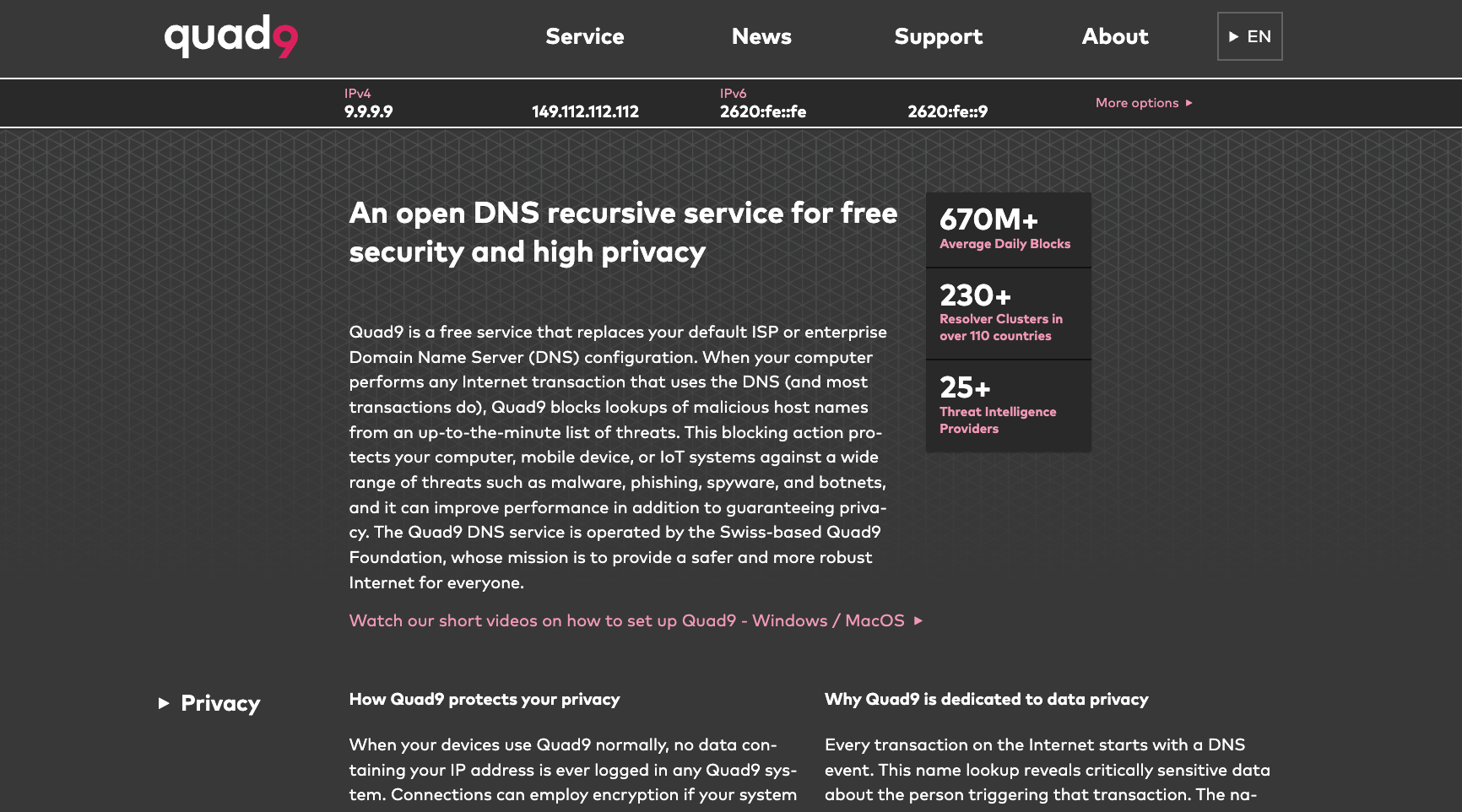
- Quad9 (9.9.9.9): This service focuses on security, automatically blocking known malicious domains, similar to OpenDNS, but often with less aggressive content filtering, making it a good balance for gamers concerned about threats without wanting extensive category blocks.
- Your ISP's DNS: While sometimes slower, your ISP's DNS servers are often geographically close, which can reduce the initial lookup time. Always test to see what works best for your specific connection.
The best DNS for you will depend on your location, ISP, and specific gaming needs. Experimentation is key!
How Do I Configure OpenDNS to Allow All Games?
Configuring OpenDNS to allow all games primarily involves adjusting your content filtering settings and judiciously using the whitelist feature:
- Log into Your OpenDNS Dashboard: Access your account at the OpenDNS website.
- Navigate to Settings: Find the 'Settings' or 'Dashboard' section for your network.
- Adjust Web Content Filtering: Under 'Web Content Filtering,' you'll see various categories.
- For maximum gaming compatibility, set your filtering level to 'None' or choose a custom level and ensure 'Games,' 'P2P/File Sharing,' 'Gambling,' 'Adult Themes,' and potentially 'Proxies/Anonymizers' are all UNCHECKED (i.e., allowed).
- Use the Manage Individual Domains List: This is where you can manually whitelist domains. If you know specific game servers (e.g., 'eu.server.game.com', 'update.gamepublisher.net'), add them here under the 'Never Block' list. This overrides any category filtering.
- Apply Changes: After making adjustments, click 'Apply' or 'Save' and clear your device's DNS cache to ensure the new settings take effect immediately.
Remember, while allowing everything ensures gaming access, it does reduce the security benefits of OpenDNS. Balance is key for the average gamer.
What are Common OpenDNS Settings That Affect Gaming?
Several key OpenDNS settings directly impact whether your games connect:
- Content Filtering Level: This is the overarching setting (High, Moderate, Low, None, Custom). A 'High' setting is almost guaranteed to block games, while 'None' removes all category filtering.
- Specific Categories:
- Games: Obvious, but if this is checked (blocked), many game sites and services will fail.
- P2P/File Sharing: Crucial for many game launchers and update mechanisms. If blocked, updates will fail.
- Gambling: Some games with in-game casinos or loot box mechanics can inadvertently fall under this.
- Proxies/Anonymizers: Used by some anti-cheat systems or VPNs gamers might use.
- Adult Themes/Lifestyles: Mature-rated games or related community sites could be caught here.
- Whitelist/Blacklist (Manage Individual Domains): Manually adding domains to the 'Never Block' list (whitelist) is essential for specific game servers or platforms.
- Security Settings: Features like 'Phishing Protection' or 'Malware Protection' are generally good, but in rare cases, an unknown game server or update source could be temporarily flagged, though this is less common for established titles.
Balancing Security and Seamless Gaming with OpenDNS
Finding the sweet spot between robust network security and uninterrupted gaming is a common challenge for US gamers. With 87% playing regularly and mobile gaming dominating, maintaining both a secure network and smooth access across devices is important. Here’s how to strike that balance:
- Start with a Moderate Filter, Then Refine: Begin with OpenDNS's 'Moderate' content filtering setting and whitelist your essential gaming domains. Monitor your OpenDNS blocked logs regularly. As you encounter issues, precisely identify the blocked domain and add it to your 'Never Block' list. This iterative process gradually customizes your protection without over-restricting.
- Educate Family Members: If content filtering is for family protection, explain to other users what categories are blocked and why. Encourage them to report legitimate sites or game servers that get blocked.
- Use Different DNS for Specific Devices: Consider setting OpenDNS at the router level for general family use, but configure your dedicated gaming PC or console to use a faster, less restrictive DNS like Cloudflare (1.1.1.1) directly on the device. This gives you the best of both worlds.
- Stay Informed on Game Requirements: Major game launches or updates often come with specific network requirements. Keep an eye on official game forums or support pages for any known server domains you might need to whitelist proactively.
- Regularly Review OpenDNS Logs: Make it a habit to check your OpenDNS usage and blocked logs every few weeks, especially after new game installations or patches. This proactive approach helps catch and resolve issues before they become major frustrations.
Remember, the goal is to enjoy your games without constant headaches, while still keeping your digital life secure. With careful configuration, OpenDNS can be a powerful ally, not an obstacle, to your gaming adventures.
OpenDNS and Mobile Gaming: What Gamers Need to Know
Mobile gaming continues its dominance, especially with new titles hitting app stores every month. Many US gamers enjoy mobile titles for relaxation or quick skill-building sessions. When your mobile device is connected to your home Wi-Fi, it will be subject to the OpenDNS settings configured on your router. This means that if OpenDNS is blocking game-related categories, your mobile games could also be affected.
For example, if you have 'Social Networking' or 'Chat' categories blocked, some mobile games with integrated social features or voice chat might not function correctly. Similarly, ads within free-to-play mobile games, while sometimes annoying, are crucial for developers. If OpenDNS blocks ad-serving domains that are part of the game's ecosystem, it might interfere with game functionality or even prevent the game from launching if it relies on ad revenue checks. Always consider your mobile gaming habits when adjusting router-level OpenDNS settings.
FAQ Section
- Q: Does OpenDNS cause high ping in games?
A: OpenDNS itself primarily affects DNS lookup speed, not directly your in-game ping (latency). If DNS resolution is slow, it can slightly delay the initial connection to a game server, but it won't typically cause high ping during active gameplay. High ping is usually related to your internet connection speed, Wi-Fi signal, or server distance. - Q: Can OpenDNS block game updates?
A: Yes, OpenDNS can block game updates if the domains used by the game's update servers or content delivery networks (CDNs) are categorized as blocked (e.g., P2P/File Sharing) in your OpenDNS settings, preventing your game from downloading necessary patches. - Q: How do I temporary disable OpenDNS for gaming?
A: To temporarily bypass OpenDNS, you can change the DNS settings directly on your gaming device (PC, console) to a public DNS like Google DNS (8.8.8.8, 8.8.4.4) or Cloudflare DNS (1.1.1.1, 1.0.0.1). Remember to clear your device's DNS cache afterward. - Q: Is OpenDNS beneficial for parents with younger gamers?
A: Absolutely. OpenDNS is highly beneficial for parents, offering customizable content filtering (like Family Shield) to block adult content, social media, or specific game categories, creating a safer online environment for children while still allowing appropriate gaming. - Q: What if OpenDNS blocks a specific feature within a game, not the whole game?
A: If only a specific feature (like voice chat, an in-game store, or a particular game mode) is blocked, it's likely that a domain or service vital to that feature is caught by OpenDNS's filters. Check your OpenDNS blocked logs and whitelist the relevant domain to resolve the issue. - Q: Are there any premium OpenDNS features that help with gaming?
A: The core filtering and security features are mostly available in the free version. OpenDNS's paid 'Umbrella' service is primarily for businesses and offers more advanced enterprise-grade security, not specific gaming performance enhancements. For gamers, the free service with proper configuration is usually sufficient.
OpenDNS can prevent gaming by blocking game servers or update domains based on content filters. Its primary function is security, offering phishing and malware protection. Gamers need to understand OpenDNS settings, particularly content categories and whitelisting, to avoid unintentional game blocks. Incorrect configuration can lead to high latency or connection issues with game servers. Customization is key to balancing network security with uninterrupted gaming access.
35



Top 10 Trends To Ensure Secure Gaming In 2026 Top 10 Trends To Ensure Secure Gaming In 2026 768x432 . OpenDNS Review 2026 Smart Security YouTube . Gaming Industry Trends 2026 Cloud Gaming AI Metaverse Web3 Gaming Trends 2026.webp. 6 Best DNS Servers For Gaming In 2026 Fast And Safe X VPN Best Dns Servers For Gaming 3 . OpenDNS Family Shield Review 2026 Ultimate Protection Guide Impulsec V2 Xhqj0 6zg5k



Picking A Public DNS Resolver In 2026 Quad9 Cloudflare 1 1 1 1 And 025F6C03 3638 4DE9 84CF . OpenDNS Family Shield Review 2026 Does It Work Opendns Family Shield En . Don T Miss Out The 13 Games That Will CHANGE The Gaming Industry In . Top 10 Most Anticipated Games Of 2026 What To Watch Out For TVN GAMES IN 2026 . The 2026 PC And Console Gaming Report Shows Most Revenue Now Comes From 2026 04 16 Image 5





Gaming In 2026 What S In Store In The Post RMG Era SOC 100 . 2026 In Gaming Releases What Are We This Year Blogs 2026 Gaming 2 . What Streamers Should Look Out For In 2026 Blog 2 . Annonces Gaming CES 2026 Les 5 R V Lations Majeures GameScan Future Of Gaming Tech At Ces 2026 . The 2026 Era Of Esports IGaming Convergence A New Standard For Digital
.webp)




Top 10 Trends To Ensure Secure Gaming In 2026 Gaming 2026 Cropped (1).webp. Igaming 2026 Trends Shaping The Next Wave According To Pronet Gaming Pronet Gaming IGaming 2026 . Gaming In 2026 What S In Store In The Post RMG Era FTR 100 6 . Esports In 2026 The Industry That Grew Up Fast And Now Has To Prove It Esports In 2026 2 450x253 . 5 Surprising Truths About Cloud Gaming You Need To Know In 2026 By 1*ZE5





2026 S Biggest Open World Games 2026 Open World . India S New Online Gaming Rules 2026 Get Industry Backing Mark Major Esports Gaming Bill 1200 1777642778 . Gaming CDN In 2026 The Delivery Playbook Top Studios Actually Use Image May 13 2026 08 41 10 8657 PM . Gaming User Acquisition Trends 2026 The Hard Truth Behind The ChatGPT Image Feb 11 2026 05 37 36 AM . Cloud Gaming 2026 7 Powerful Ways To Skip Consoles Com Cloud Gaming 2026 Featured Image.webp





UK S Gaming Resolutions For 2026 UK 2026 Game Res Square 1024x1024 . Next Gaming Era In 2026 After The RMG What's Next For Gaming In 2026 After The RMG Era . Open World Game 2026 A Deep Dive Into Digital Freedom Au Gaming Arena Image 11 . Top Gaming Events Of 2026 Where The Future Of Game Development Is Top Main Gaming Events 2026 . The Gaming Trends Shaping 2026 Predicted By Game Devs




Blockchain Gaming Ownership Rewards 2026 The Powerful Shift From Gaming Ownership Cover. Ways That Gaming Is Changing Forever In 2026 Upcoming Open World Rpgs Releasing In 2026 . What 2026 Means For IGaming Regulation AI Player Protection What 2026 Means For Gambling Regulation. Using VPN To Play Games Blocked In Other Countries. Gaming 2026 Les Tendances Ne Pas Manquer Les Nouvelles Tendances Du Gaming En 2026